Climate Risk Analysis
Environmental vs. climate risk in context
Environmental Due Diligence and Climate Risk Assessment address two distinct dimensions of risk. Environmental Due Diligence focuses on identifying existing or historically driven environmental impacts at a site. In contrast, Climate Risk Assessment evaluates how climate change may affect the future resilience and long-term performance of a property. Both perspectives are complementary, yet each relies on different objectives, data sources and time horizons.
Our approach to climate risk and vulnerability assessment
As part of our climate risk and vulnerability assessment, we identify and evaluate the physical climate risks relevant to the property in line with the requirements of the EU Taxonomy. The results are consolidated in a property-specific report, including recommended adaptation measures where required under the EU Taxonomy.
Our core services
- Clear introduction and explanation of the assessment in the context of EU Taxonomy requirements
- Definition of key concepts and transparent description of our methodology
- Identification of location-specific climate hazards using the K.A.R.L.-TAXO tool provided by Köln Assekuranz
- Assessment of the physical climate risks arising from these hazards, taking into account the vulnerability of the asset
- Identification and evaluation of suitable adaptation measures, where necessary
- Summary of all findings provided in either German or English
Climate hazards considered in our assessment
Temperature
- Long-term temperature changes
- Chronic heat stress
- Increased temperature variability
- Thawing of permafrost
- Acute heatwaves
- Acute cold spells or frost events
- Wildfires and landscape fires
Wind
- Long-term changes in wind patterns
- Cyclones, hurricanes and typhoons
- Severe storms (including snowstorms, dust storms and sandstorms)
- Tornadoes
Water
- Long-term changes in precipitation patterns and intensity
- Variability in precipitation and hydrological conditions
- Ocean acidification
- Saltwater intrusion
- Rising sea levels
- Water scarcity
- Acute drought events
- Heavy precipitation (rain, hail, snow or ice)
- Flooding (coastal, riverine, pluvial or groundwater flooding)
- Glacial lake outburst floods
Reference projects
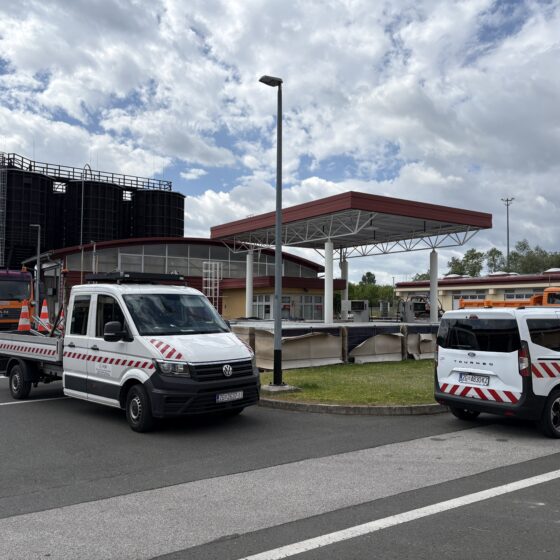
Zagreb–Macelj Highway: Benchmarking for Operational Efficiency
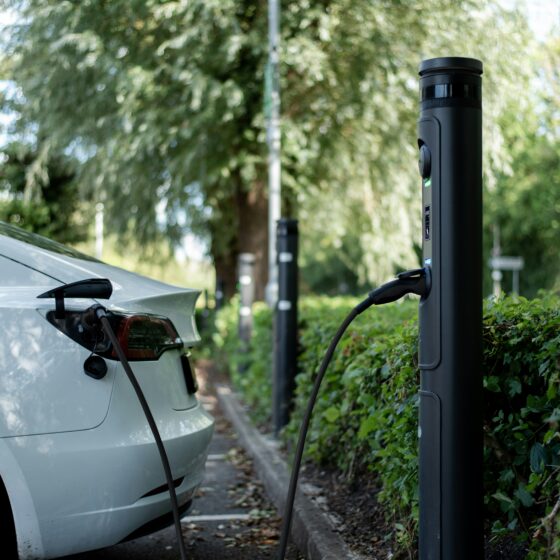
Sustainable Infrastructure at Scale: EV Charging and PV Across Germany
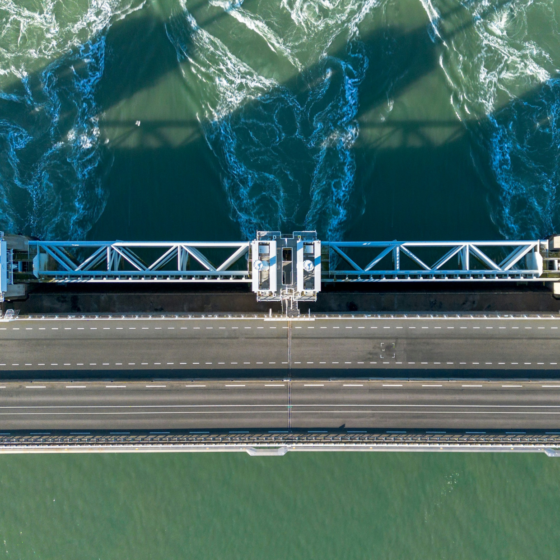
IJmuiden Sea Lock: Technical Advisory in a Secondary Market Transaction
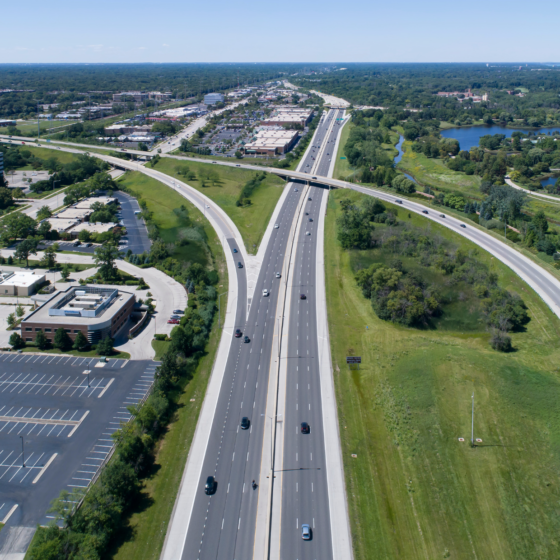
Technical Advisory for A7.2 PPP Highway Project in Germany
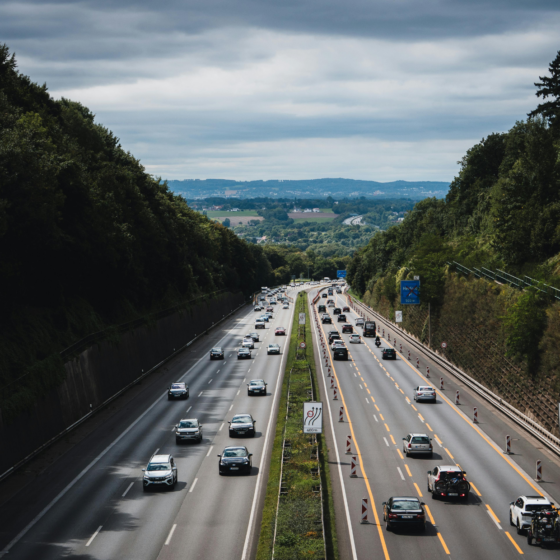
Technical Advisory for EV Charging Infrastructure Along German Highway
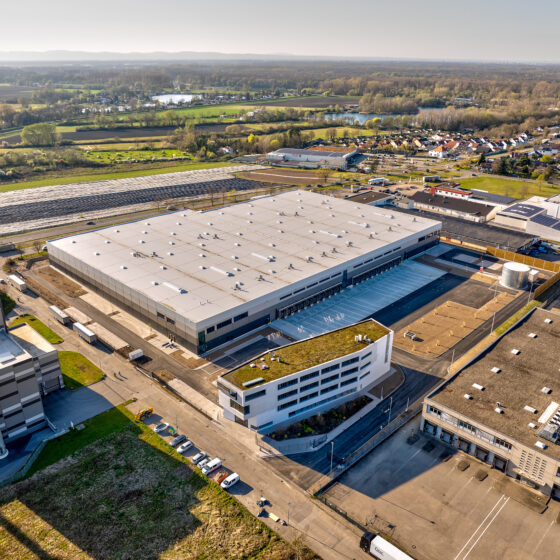
DGNB Platinum Certification for Logistics Development in Ketsch

International Corporate Real Estate – Technical Separation of Leased Space in Cologne
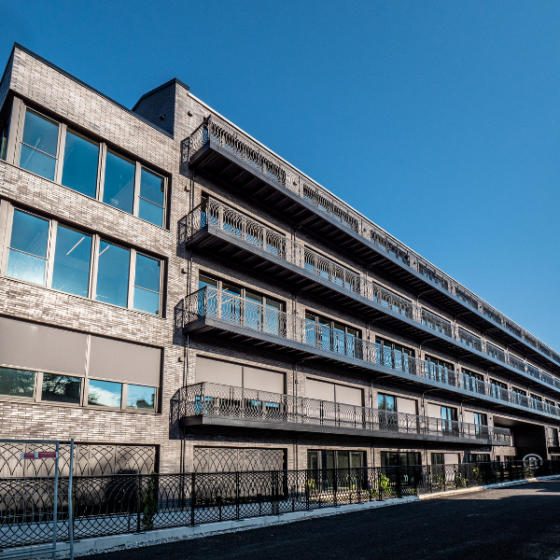
BREEAM In-Use “Excellent” for THE RUN in Munich – Another Milestone in Sustainable Real Estate
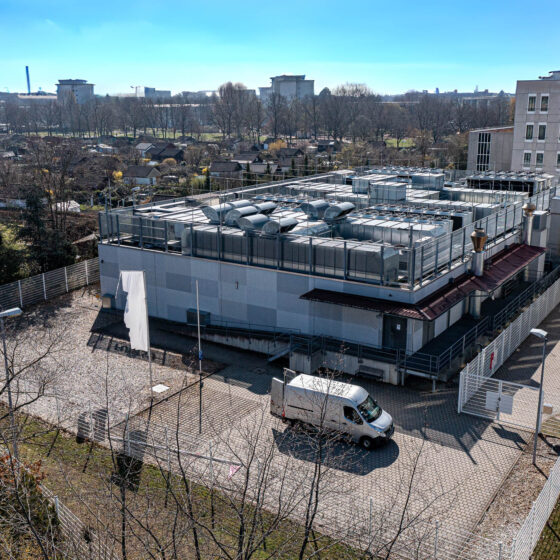
Digital Infrastructure Asset – Combining Commercial, Sustainability, Regulation, and Technical Due Diligence
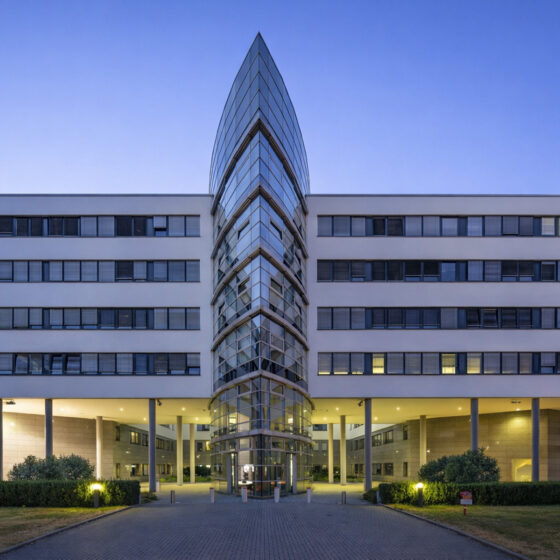
Sustainable Repositioning and BREEAM Certification of Office Assets in Düsseldorf